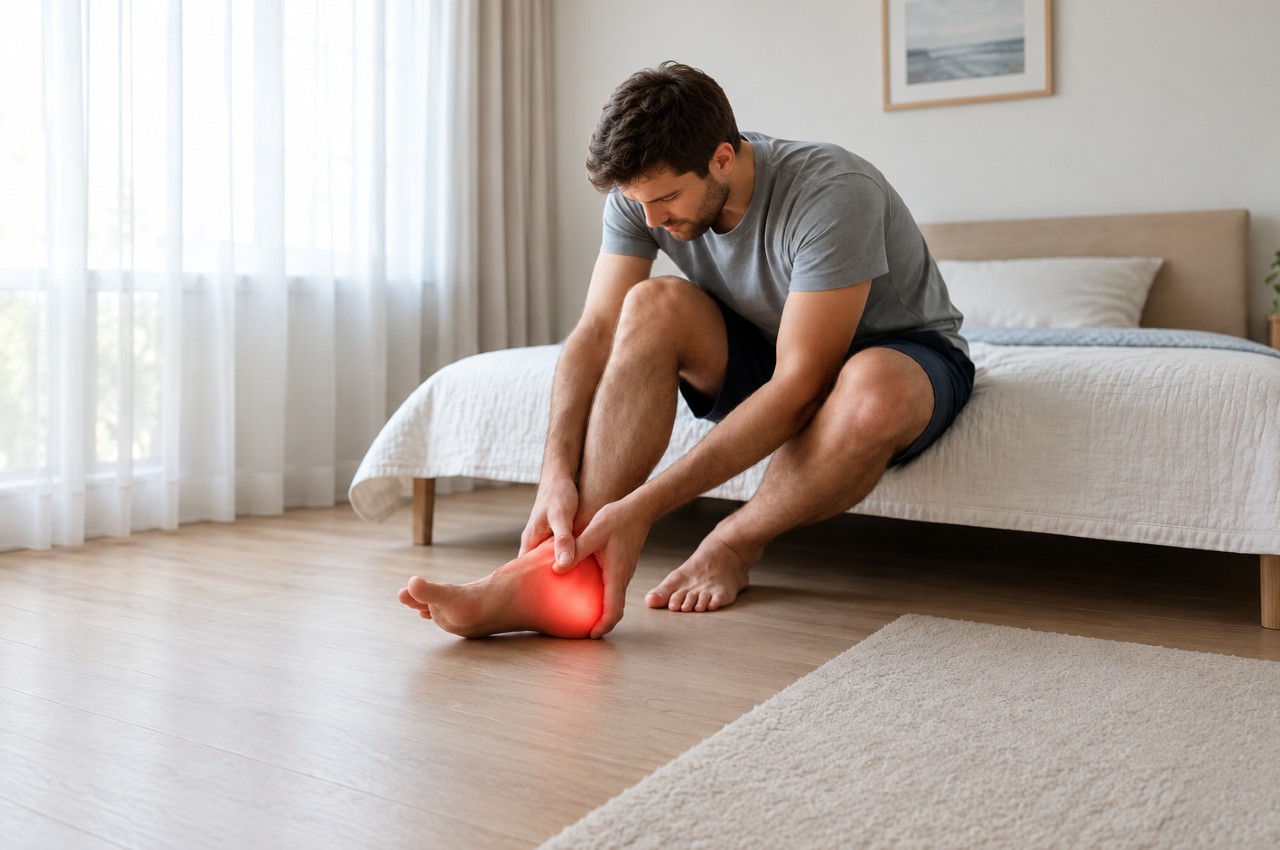
The risk factors for scoliosis can include family history, age, and certain underlying medical conditions. Scoliosis is a sideways curvature of the spine that may develop during childhood, adolescence, or adulthood. Although some cases have identifiable causes, many people develop scoliosis without a clear explanation.
Understanding the risk factors for scoliosis can help parents recognize possible signs of spinal curvature and understand when a medical evaluation may be appropriate. While not every risk factor means someone will develop scoliosis, knowing what to look for can support earlier identification and appropriate follow-up.
What Is Scoliosis?
Scoliosis is a condition in which the spine curves sideways, often forming a C-shaped or S-shaped curve when viewed from behind. A curve measuring more than 10 degrees on an X-ray is generally classified as scoliosis.
The condition can affect people of different ages, but adolescent idiopathic scoliosis is commonly identified during the growth years. The term idiopathic means that the specific cause is unknown.
According to the National Institute of Arthritis and Musculoskeletal and Skin Diseases (NIAMS), most children and teenagers with scoliosis have no identifiable cause. Researchers continue to study the combination of genetic and biological factors that may contribute to its development.
What Are the Main Risk Factors for Scoliosis?
The risk factors for scoliosis differ depending on the type of spinal curvature. Some relate to family history and development, while others involve congenital differences or underlying medical conditions.
1. Family History and Genetic Factors
Family history is one of the recognized risk factors for scoliosis, particularly idiopathic scoliosis. A child whose parent or sibling has scoliosis may have a greater likelihood of developing the condition.
Researchers believe genetics may contribute to some cases, although no single genetic factor explains every instance of scoliosis. Having a family history does not mean that a child will necessarily develop spinal curvature.
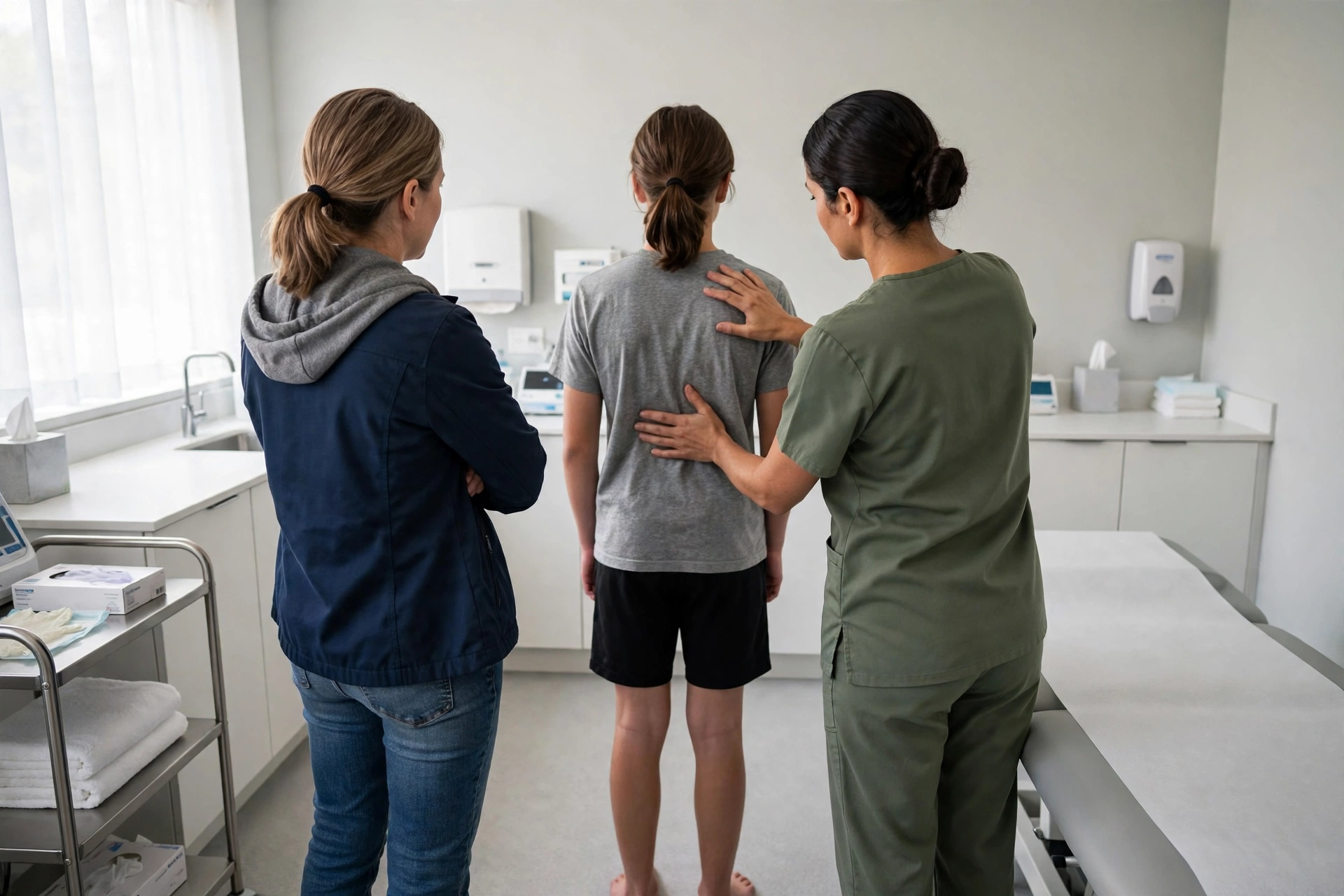
Parents who know of scoliosis in their family can mention it during routine healthcare visits, particularly while their children are growing.
2. Age and Adolescent Growth
Age is another important consideration when discussing the risk factors for scoliosis. Adolescent idiopathic scoliosis is commonly identified during the growth years, particularly around puberty.
Rapid growth does not mean that every child will develop scoliosis. However, spinal curvature may become more noticeable during this period, which is why healthcare professionals pay attention to changes in shoulder height, waist symmetry, and the shape of the back.
Scoliosis can also occur in younger children and adults. The likely causes and appropriate evaluation depend on the person’s age and the type of curvature.
3. Sex and the Risk of Curve Progression
Scoliosis can affect people of any sex. However, girls with adolescent idiopathic scoliosis are more likely than boys to experience curves that progress and require treatment.
This distinction is important: the likelihood of developing a curve and the likelihood that a curve will worsen are not the same thing. Age, growth remaining, curve size, and other clinical findings help healthcare professionals assess whether monitoring or treatment may be appropriate.
4. Congenital Differences in the Spine
Some scoliosis cases develop because the bones of the spine do not form or separate typically before birth. This is known as congenital scoliosis.
The curvature may be present from early childhood, although its extent and progression can vary. Congenital scoliosis is different from idiopathic scoliosis because an identifiable spinal-development difference is involved.
Children with suspected congenital scoliosis need an appropriate medical evaluation to determine the nature of the spinal difference and whether further assessment is necessary.
5. Neuromuscular and Other Medical Conditions
Certain conditions affecting the nervous system or muscles can contribute to scoliosis. Examples include cerebral palsy and muscular dystrophy.
These conditions can affect muscle control, strength, or the balance of forces acting on the spine. In some cases, scoliosis develops in association with an underlying genetic or connective-tissue condition.
When scoliosis occurs alongside another medical condition, evaluation and management should account for the person’s overall health and specific needs.
6. Age-Related Changes in the Spine
Scoliosis can also develop in adulthood. In some adults, spinal curvature is related to degenerative changes involving the discs, joints, and other structures of the spine.
This type of scoliosis differs from adolescent idiopathic scoliosis. Adults may experience back pain, stiffness, or other symptoms, but these symptoms can have several possible causes and should not automatically be attributed to scoliosis.
A healthcare professional can assess persistent symptoms and determine whether further examination or imaging is appropriate.
Can Poor Posture Increase the Risk Factors for Scoliosis?
Poor posture is often blamed for scoliosis, particularly when parents notice that a child sits unevenly or appears to lean to one side. However, ordinary poor posture has not been established as a cause of idiopathic scoliosis.
Similarly, carrying a heavy backpack, participating in sports, or sleeping in a particular position is not considered a cause of idiopathic scoliosis.
Posture and spinal curvature are different issues. A person may adopt an uneven posture for several reasons, and visible asymmetry alone cannot confirm scoliosis.
If a child consistently appears to have uneven shoulders, a prominent shoulder blade, or an uneven waistline, arrange an appropriate healthcare evaluation rather than assuming the cause is poor posture.
What Signs May Suggest Scoliosis?
Understanding the risk factors for scoliosis is useful, but recognizing possible signs is also important. Mild scoliosis may not cause pain or obvious symptoms, so some cases are first noticed during a routine examination.
Possible signs include:
- One shoulder appearing higher than the other
- One shoulder blade appearing more prominent
- An uneven waistline
- One hip appearing higher than the other
- The head appearing off-center in relation to the pelvis
- One side of the back or rib cage appearing higher when bending forward
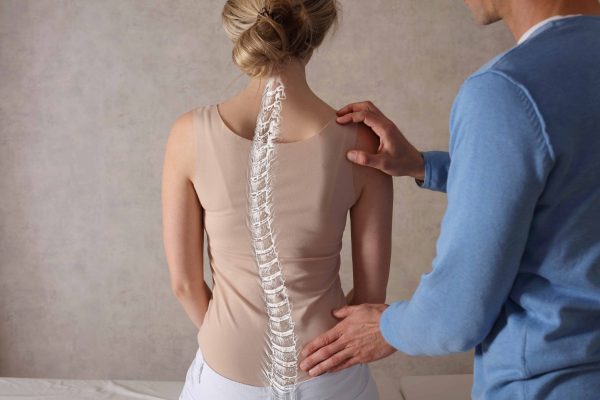
These signs do not establish a diagnosis. Natural body asymmetry and other conditions can create similar appearances. If you notice persistent or developing asymmetry, especially during a child’s growth years, discuss your concerns with an appropriate healthcare professional.
How Is Scoliosis Diagnosed?
A healthcare professional may begin by asking about medical history, family history, and any changes noticed in the person’s posture or back shape.
The evaluation may include a physical examination to look for differences in shoulder height, the position of the shoulder blades, waist symmetry, and trunk alignment. A forward-bend examination may also be used to look for signs of spinal rotation.
When indicated, X-rays help confirm scoliosis and measure the curve. The results help the treating clinician determine the type and severity of the curvature and whether monitoring or treatment is appropriate.
Not everyone with visible asymmetry needs imaging. The decision depends on the clinical findings and professional assessment.
When Should You Seek an Evaluation for Scoliosis?
Consider arranging a medical evaluation if you notice changes such as uneven shoulders, a prominent rib area, an uneven waistline, or a persistent shift in the appearance of your child’s back.
An evaluation is particularly worth discussing when these changes appear during a growth spurt or seem to be becoming more noticeable.
You should also seek professional advice if back pain persists, worsens, or interferes with normal activities. New weakness, numbness, difficulty walking, or other significant neurological symptoms warrant prompt medical attention. Severe symptoms or breathing difficulties require urgent assessment.
An evaluation can help determine whether scoliosis is present, whether another condition may explain the symptoms, and what next steps are appropriate.
Can Chiropractic Care Help With Scoliosis?
Chiropractic care should not be presented as a proven way to correct a structural spinal curve or reverse scoliosis. Management depends on the type of scoliosis, the person’s age, the size and progression of the curve, and other clinical findings.
Some people with scoliosis may also experience back discomfort or movement-related symptoms. Those concerns should be assessed individually, with care coordinated appropriately with the healthcare professionals managing the spinal condition.
At True Grit Health Center in Wentzville, MO, patients can discuss musculoskeletal concerns and whether an evaluation is appropriate for their symptoms. Suspected scoliosis—particularly in a growing child—should be assessed by a qualified medical professional who can determine whether specialist care or imaging is needed.
Frequently Asked Questions About the Risk Factors for Scoliosis
What are the biggest risk factors for scoliosis?
Recognized risk factors and associations include family history, the growth years associated with adolescent idiopathic scoliosis, and certain congenital or neuromuscular conditions. Many cases of scoliosis have no identifiable cause.
Is scoliosis hereditary?
Scoliosis can run in families, and genetic factors are believed to contribute to some cases. However, family history does not guarantee that a person will develop scoliosis.
Can poor posture cause scoliosis?
Poor posture is not considered a cause of idiopathic scoliosis. Persistent unevenness in the shoulders, waist, or back should be evaluated rather than automatically attributed to posture.
At what age does scoliosis usually develop?
Adolescent idiopathic scoliosis is commonly identified during the growth years around puberty. Scoliosis can also occur in younger children and adults, depending on its type and cause.
Can scoliosis develop in adulthood?
Yes. Some adults have scoliosis that began earlier in life, while others develop degenerative scoliosis associated with age-related changes in the spine.
Should my child be evaluated if scoliosis runs in our family?
Mention the family history to your child’s healthcare professional, especially during routine visits in the growth years. If you notice uneven shoulders, a prominent shoulder blade, or other changes in the back, ask whether an examination is appropriate.
Learn More About Spinal Health in Wentzville, MO
Understanding the risk factors for scoliosis can help families recognize possible signs of spinal curvature and seek appropriate evaluation when concerns arise. Family history, age, and certain medical conditions can be relevant, but no single risk factor predicts every case.
If you have questions about back discomfort or other musculoskeletal concerns, True Grit Health Center provides chiropractic care in Wentzville, Missouri. Contact the office to discuss your concerns and determine whether an appointment is appropriate.
Medical disclaimer: This article is for educational purposes only and does not replace professional medical advice, diagnosis, or treatment. Consult a qualified healthcare professional about suspected scoliosis or persistent symptoms.