Running after an injury can be challenging, especially when you are eager to return to your usual routine. However, resuming exercise too quickly may aggravate symptoms or delay your recovery. Knowing how to return to running after injury involves more than waiting for pain to disappear. You also need to consider your mobility, strength, balance, and ability to handle the demands of running.
Whether you have experienced knee pain, an ankle sprain, or another musculoskeletal injury, a gradual return can help you approach exercise more safely. The right timeline depends on the type and severity of your injury, your recovery progress, and any recommendations from your healthcare professional.
When Can You Return to Running After Injury?
There is no single timeline that works for everyone. A mild injury may improve relatively quickly, while a more serious injury or surgical recovery may require a longer period of rehabilitation.
Before you return to running after injury, consider how comfortably you can perform your normal daily activities. Walking, climbing stairs, and moving the affected joint should not cause significant pain or make you change how you move.
Other factors to consider include:
- Pain levels: Your symptoms should be improving, not worsening with everyday activity.
- Swelling: Persistent or returning swelling may indicate that the injured area is not ready for increased demands.
- Mobility: You should have sufficient movement in the affected joint for your planned activity.
- Strength and balance: Your injured leg should be able to support normal movement without obvious instability.
- Professional guidance: More serious injuries, recurring symptoms, and post-surgical recovery may require specific clearance before running.
These are general considerations, not a self-diagnosis or clearance test. Your healthcare professional can help determine which criteria are appropriate for your particular injury.
5 Steps to Return to Running After Injury
1. Start With Comfortable Walking
Before running, assess whether you can walk comfortably without limping or increasing your symptoms. Walking places different demands on your body than running, but it can be a useful starting point when appropriate for your injury.
Do not use walking as a test if you have been advised to restrict weight-bearing or avoid certain movements. Follow your clinician’s instructions first.
2. Rebuild Strength and Mobility
Running requires coordinated movement through your hips, knees, ankles, and feet. Depending on your injury, recovery may involve restoring joint mobility, improving balance, and rebuilding strength in the muscles that support movement.
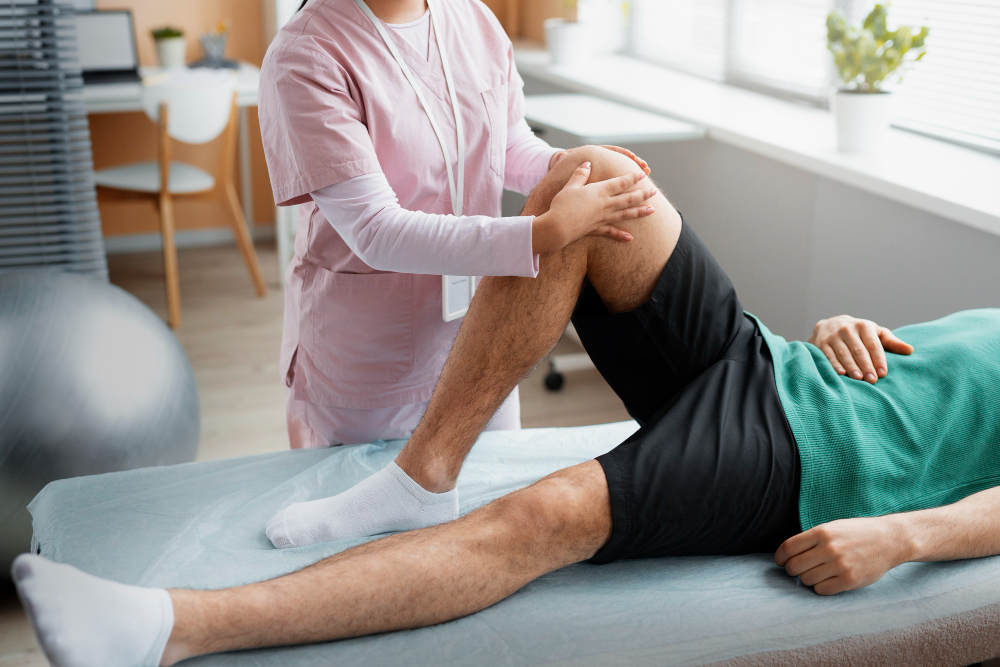
A healthcare professional may recommend individualized exercises based on your symptoms and functional limitations. Avoid assuming that the same exercise program is appropriate for every knee or ankle injury.
3. Begin With Short, Easy Sessions
When you have been cleared to resume running, start at a level that matches your current ability rather than your previous pace or distance.
A gradual walk-run approach may be appropriate for some people. For example, you might alternate brief periods of easy jogging with walking, provided your injury and recovery status allow it.
Do not treat a sample walk-run schedule as universal medical advice. The starting point and progression should reflect the injury, symptoms, and professional recommendations.
4. Increase Activity Gradually
Recovery is part of returning to exercise, not time wasted away from training. Rest days and suitable low-impact activities may help you maintain general fitness while limiting repeated stress on the injured area.
The appropriate amount of rest depends on your condition. Follow any rehabilitation plan you have been given, and do not progress to harder sessions simply because you feel motivated to resume your old routine.
Signs You May Not Be Ready to Run Yet
It may be too early to return to running after injury if you experience:
- Sharp or increasing pain during activity.
- Swelling that persists or returns after exercise.
- Difficulty walking normally or bearing weight.
- A feeling that your knee or ankle may give way.
- Reduced movement or noticeable weakness.
- Symptoms that worsen after each attempt to exercise.
Stop the activity and seek medical guidance if these problems occur. Severe pain, substantial swelling, inability to bear weight, or a significant new injury may require prompt medical assessment.
You should also seek evaluation if symptoms keep returning despite reducing activity. Continuing to run through an unresolved injury can make it harder to identify what is causing the problem.
Common Mistakes When Returning to Running After Injury
Even when symptoms improve, it is easy to resume training too aggressively. Avoid these common mistakes:
Returning to your old mileage immediately. Your previous fitness level does not necessarily reflect your current capacity after time away from running.
Ignoring symptoms after exercise. Pay attention to how the injured area feels later that day and the following day, not only while running.
Skipping strength and mobility work. If your recovery plan includes exercises to rebuild function, follow the recommended program rather than focusing exclusively on running.
Comparing your recovery with someone else’s. Two people with apparently similar injuries may need different recovery timelines.
Assuming pain relief means complete recovery. Reduced pain is encouraging, but strength, mobility, stability, and the demands of your activity also matter.
How Can Chiropractic Care Fit Into Injury Recovery?
For some people, musculoskeletal assessment and chiropractic care may be part of a broader plan for managing discomfort and improving movement. The appropriate approach depends on the injury, the findings of an examination, and whether other medical care is needed.
At True Grit Health Center in Wentzville, Missouri, individuals can learn about the clinic’s athlete chiropractic care services. If you are dealing with pain or restricted movement after an injury, discuss your symptoms and goals with a qualified healthcare professional to determine the appropriate next steps.
Chiropractic care should not be presented as a substitute for injury-specific rehabilitation, medical evaluation, or clearance when those are needed. Not every injury is suitable for chiropractic treatment, and treatment should be based on an individual’s needs.
Frequently Asked Questions
How long should I wait to return to running after injury?
The timeline depends on the injury, its severity, and your recovery. Some injuries improve within a short period, while others require weeks or months of rehabilitation. A healthcare professional can help you determine when and how to resume running safely.
Can I run if my knee or ankle still hurts?
Do not ignore pain that worsens during running, changes your movement, or comes with swelling or instability. Stop the activity and seek professional advice. The appropriate response to mild symptoms depends on the specific injury and your recovery plan.
Should I walk before running after an injury?
For many people, comfortable walking is one step toward resuming running. However, walking may not be appropriate for every injury or recovery stage. Follow any weight-bearing restrictions and professional instructions you have received.
How can I reduce the risk of getting injured again?
Progress gradually, follow your rehabilitation plan, allow recovery time, and avoid sudden increases in training demands. Appropriate strength, mobility, and balance work may also be important depending on your injury.
When should I seek professional help for a running injury?
Seek an assessment if pain persists, returns repeatedly, limits normal movement, or worsens as you resume activity. Severe pain, substantial swelling, inability to bear weight, or a significant injury warrants prompt medical evaluation.
Take a Thoughtful Approach to Returning to Exercise
Getting back to running is a process, not a race against the calendar. Pay attention to your symptoms, rebuild your capacity gradually, and seek professional guidance when you are unsure whether your body is ready for more activity.
If you are looking for information about musculoskeletal care for active adults and athletes, explore True Grit Health Center’s athlete chiropractic care or contact the clinic to discuss whether an appointment is appropriate for your needs.
Health information disclaimer: This article is for educational purposes only and does not diagnose or treat an injury. It is not a substitute for individualized medical advice. Consult a qualified healthcare professional for guidance specific to your condition.