A car accident can leave you feeling relatively normal immediately after the collision. However, neck pain, stiffness, headaches, and difficulty turning your head may develop several hours or even days later. This delayed discomfort can be confusing, especially if you initially walked away from the accident without noticeable injuries.
Delayed neck pain after a car accident may be associated with whiplash, muscle strains, ligament injuries, or other problems affecting the cervical spine and surrounding soft tissues. The forces involved in a collision can cause the head and neck to move suddenly, placing stress on muscles, ligaments, and joints.
Understanding why symptoms develop later, what warning signs to recognize, and when to seek medical attention can help you make informed decisions about your recovery.
At True Grit Health Center, we believe patients should understand their symptoms and available care options before beginning treatment. This guide explains common reasons for delayed neck pain following a collision and discusses how chiropractic care may fit into an appropriate recovery plan.
Why Does Neck Pain Appear Days After a Car Accident?
Neck pain does not always begin immediately after a collision. Some injuries produce symptoms gradually as inflammation, muscle soreness, and tissue irritation become more noticeable.
Several factors may contribute to delayed discomfort.
1. Soft Tissue Injuries May Take Time to Become Noticeable
The neck contains muscles, tendons, and ligaments that support the head and allow movement. During a collision, sudden acceleration or deceleration can stretch these structures beyond their normal range.
This may result in muscle strains or ligament sprains.
Initially, you might notice little discomfort. However, soreness, tenderness, and stiffness can become more noticeable over the following hours or days.
2. Inflammation Can Develop After the Initial Impact
An injury can trigger an inflammatory response as the body reacts to damaged or irritated tissues.
This process may contribute to:
- Localized soreness and tenderness
- Neck stiffness
- Discomfort when turning your head
- Muscle tightness
- Reduced range of motion
These symptoms may become more noticeable after the accident rather than immediately at the scene.

3. Muscle Tension Can Increase Following a Collision
The muscles surrounding the neck and shoulders help stabilize the head. Sudden movements during an accident can strain these muscles.
Muscle soreness and spasms may develop as the affected tissues respond to the injury. This can make everyday activities, such as driving, working at a computer, or checking over your shoulder, uncomfortable.
4. Some Injuries Are Not Immediately Obvious
Not every injury produces visible signs or immediate pain.
A person may have an underlying soft tissue injury even when there are no obvious bruises or swelling. Symptoms can become more apparent as normal movement resumes.
It is important not to assume that an absence of immediate pain means an accident caused no injury.
What Is Whiplash After a Car Accident?
Whiplash is one of the common injuries associated with motor vehicle collisions. It occurs when the head moves rapidly backward and forward, placing stress on the structures supporting the neck.
This sudden movement can stretch or injure muscles, ligaments, and other soft tissues.
Although whiplash is frequently associated with rear-end collisions, it can occur in different types of accidents.
According to the American Academy of Orthopaedic Surgeons, symptoms of a neck sprain may not appear immediately and can become noticeable hours after an injury or the following day.
Depending on the severity and nature of the injury, symptoms may include:
- Neck pain and stiffness
- Difficulty turning or bending the head
- Pain around the shoulders and upper back
- Headaches, particularly near the base of the skull
- Muscle spasms
- Tenderness around the neck
Whiplash symptoms vary between individuals. A healthcare professional should evaluate symptoms following a collision to determine the appropriate next steps.
Common Symptoms to Watch for After a Car Accident
Neck pain is not the only symptom that may develop following a collision. Injuries affecting the neck and surrounding structures can produce several different symptoms.
Pay attention to changes in how your body feels during the hours and days following an accident.
Neck Pain and Stiffness
Pain may develop around the back or sides of the neck. You might notice increased discomfort when turning your head, looking up, or maintaining the same position for extended periods.
Headaches
Headaches may develop after a collision, particularly around the back of the head or upper neck. These may be linked to neck muscle injuries and should be evaluated if they are new or severe.
Shoulder and Upper Back Discomfort
The muscles and soft tissues around the neck connect with the shoulders and upper back. An injury affecting these areas may cause soreness, tightness, or discomfort during movement.
Reduced Range of Motion
Neck stiffness can make it difficult to rotate your head normally. You may notice difficulty checking blind spots while driving, looking over your shoulder, or completing everyday activities.
Tingling or Numbness
Tingling, numbness, or weakness in the arms or hands may indicate nerve involvement or a more serious injury. These symptoms require prompt medical assessment rather than assuming they are ordinary muscle soreness.
When Should You Seek Medical Attention for Neck Pain After a Car Accident?
If you develop neck pain following a motor vehicle accident, arrange a medical evaluation promptly, even if your symptoms initially seem mild.
A healthcare professional can assess the injury, identify potential complications, and determine whether additional testing or treatment is necessary.
Some symptoms require immediate medical attention.
Seek emergency care if you experience:
- Severe neck pain following the collision
- Weakness or loss of sensation in your arms or legs
- Difficulty walking or maintaining balance
- Severe or worsening headache
- Loss of bladder or bowel control
- Significant confusion or loss of consciousness
- Suspected spinal injury
Do not attempt neck adjustments or forceful movements before a potentially serious injury has been evaluated.
For additional guidance, see the Mayo Clinic’s information about whiplash diagnosis and treatment.
How Are Neck Injuries Evaluated After a Car Accident?
An appropriate evaluation helps determine what may be causing your symptoms and whether additional medical care is needed.
Depending on the circumstances, a healthcare professional may consider several factors.
Medical and Accident History
The evaluation may begin with questions about:
- How the collision occurred
- Whether you were wearing a seat belt
- When your symptoms first appeared
- Where you experience discomfort
- Whether symptoms have changed since the accident
- Any previous neck or spinal conditions
This information helps provide context about the possible injury.
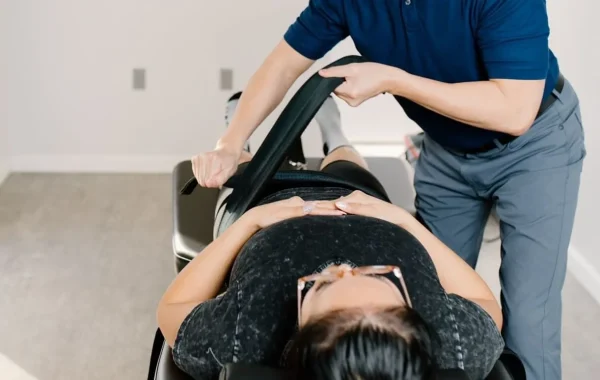
Physical Examination
A healthcare professional may examine your neck and surrounding areas to assess tenderness, movement, strength, and neurological function.
The examination may also help identify symptoms that require further investigation.
Diagnostic Imaging When Necessary
Imaging is not required for every neck injury. However, X-rays, CT scans, or MRI may be considered when examination findings or the circumstances of the accident suggest a more serious injury.
The appropriate imaging method depends on the suspected condition.
Can Chiropractic Care Help With Neck Pain After a Car Accident?
Chiropractic care may be considered for certain musculoskeletal complaints following a car accident, but it is not appropriate for every injury or every stage of recovery.
The first priority is determining whether the neck injury requires medical evaluation or other treatment.
Once serious injuries have been assessed or ruled out, a chiropractor may evaluate whether conservative chiropractic care is appropriate for the patient’s individual condition.
Depending on the examination findings, care may involve:
Individualized Assessment
A chiropractor reviews the patient’s symptoms, accident history, medical history, and examination findings before recommending treatment. This helps determine whether chiropractic care is appropriate or a referral to another healthcare professional is needed.
Supporting Neck Mobility
Some patients experience restricted movement and stiffness following an accident. When clinically appropriate, a treatment plan may include carefully selected mobility exercises and other conservative approaches intended to support comfortable movement.
Soft Tissue Care
Depending on the injury and patient’s condition, appropriate soft tissue techniques may be considered to address muscle discomfort, reduce tension, improve flexibility, restore normal movement, and support the body’s recovery process.
Rehabilitation Guidance
Recovery may involve more than office visits. A healthcare professional may recommend appropriate exercises, activity modifications, and other strategies based on the patient’s progress.
Important: Spinal manipulation, particularly forceful neck manipulation, should not be performed before serious traumatic injuries have been appropriately evaluated. Treatment decisions must be based on individual examination findings and current clinical guidance.
At True Grit Health Center, our approach to personal injury chiropractic care focuses on understanding each patient’s condition and determining whether chiropractic treatment may be appropriate.
Learn more about our Personal Injury Chiropractic Care in Wentzville, MO.
What Can Influence Recovery After a Car Accident?
Recovery following a motor vehicle collision varies from person to person. Some people experience relatively mild symptoms that improve over time, while others may have discomfort that lasts longer.
Several factors can influence the recovery process.
- Nature of the injury: Muscle strains, ligament injuries, and more serious spinal injuries require different approaches to care.
- Severity of symptoms: The location and intensity of discomfort can influence treatment recommendations.
- Overall health: Previous injuries and existing health conditions may affect recovery.
- Activity levels: Returning to normal activities should be guided by symptoms and professional recommendations.
- Appropriate evaluation: Identifying the nature of an injury helps determine the most suitable next steps.
Following professional medical advice and attending recommended follow-up appointments can help you monitor your progress.
How to Protect Your Neck During Recovery
After an accident, it is important to avoid activities that aggravate your symptoms until you have received appropriate medical guidance.
Depending on your injury and healthcare professional’s recommendations, helpful recovery practices may include:
- Avoiding sudden or forceful neck movements.
- Following recommended activity restrictions.
- Returning to everyday activities gradually when medically appropriate.
- Following prescribed rehabilitation exercises.
- Maintaining comfortable posture during daily activities.
- Attending recommended follow-up appointments.
- Reporting new or worsening symptoms to your healthcare provider.
Avoid attempting self-adjustments or using neck braces without professional guidance.
Frequently Asked Questions About Delayed Neck Pain After a Car Accident
How long after a car accident can neck pain start?
Neck pain may begin immediately after a collision or take several hours or days to develop. Whiplash-related symptoms can sometimes be delayed because discomfort and stiffness become more noticeable over time.
Can you have whiplash without immediate neck pain?
Yes. Whiplash symptoms do not always appear immediately. Some people initially feel normal but develop neck stiffness, headaches, and muscle soreness later. A medical evaluation is important after a traumatic neck injury.
Is delayed neck pain after a car accident serious?
It can be associated with a minor soft tissue injury, but it may also indicate a more significant problem. The severity cannot be determined by symptom timing alone. Seek medical evaluation following an accident, especially if symptoms worsen or neurological warning signs develop.
Can a car accident cause neck pain days later?
Yes. Neck sprains, muscle strains, and whiplash-associated injuries can produce symptoms that become noticeable hours or days after a collision. New or worsening pain should be assessed by a healthcare professional.
Should I see a chiropractor or doctor first after a car accident?
A medical evaluation should come first when you develop neck pain following a traumatic collision. A doctor or other appropriate healthcare professional can assess potential injuries and determine whether imaging or additional treatment is needed. Chiropractic care may be considered later if it is appropriate for your condition.
Can chiropractic care help with whiplash?
Chiropractic care may be considered as part of a conservative approach for certain musculoskeletal symptoms associated with whiplash. However, treatment suitability depends on the injury, examination findings, and clinical recommendations. It should not replace necessary medical evaluation.
How long does neck pain last after a car accident?
Recovery time varies depending on the type and severity of the injury. Some people improve within a few weeks, while others experience symptoms for several months or longer. Persistent or worsening symptoms should be reassessed.
Get Personalized Guidance for Neck Pain After an Accident
Experiencing neck pain after a car accident can raise questions about the nature of your injury, how long symptoms may last, and what type of care may be appropriate.
At True Grit Health Center, we understand that every patient’s situation is different. Our team takes an individualized approach to personal injury chiropractic care, considering your symptoms, health history, and examination findings before discussing appropriate care options.
If you are experiencing neck discomfort following an accident in Wentzville or the surrounding communities, our team can help you understand whether chiropractic care may be appropriate for your needs.
Schedule a consultation to discuss your concerns and learn more about your care options.