A sports injury can interrupt training, competition, exercise, and everyday activities. Whether you’re a competitive athlete, weekend warrior, or someone who simply enjoys staying active, knowing what to do after an injury can help you make informed decisions about recovery.
Sports injury recovery depends on several factors, including the type and severity of the injury, where it occurred, your overall health, and how you respond to treatment. Some minor injuries improve with appropriate rest and gradual return to activity, while more serious injuries require professional evaluation and specialized care.
For certain musculoskeletal injuries, chiropractic care may be one part of a broader recovery plan. The right approach depends on the individual injury and should always begin with an appropriate evaluation.
What Is a Sports Injury?
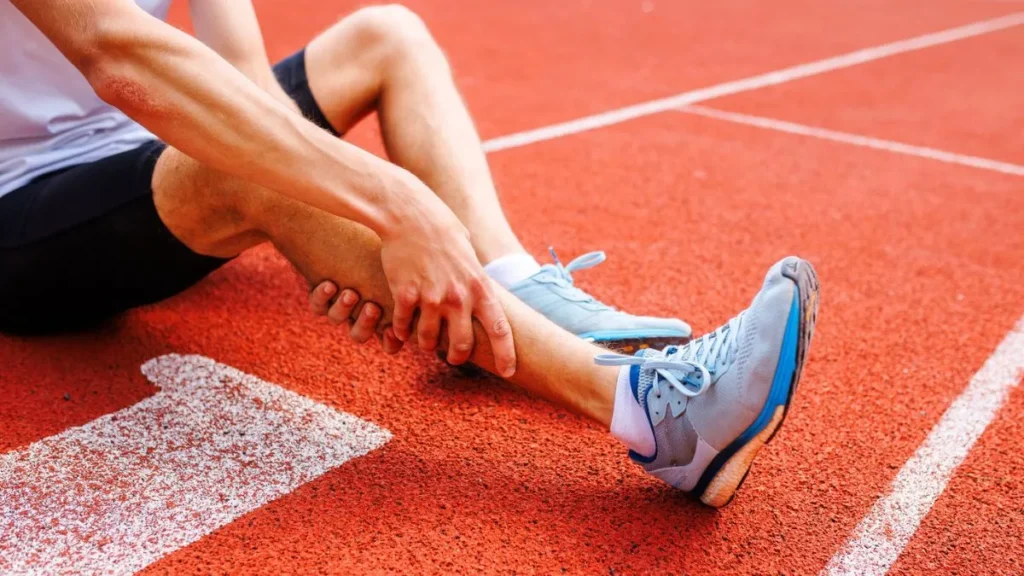
A sports injury is an injury that occurs during exercise, athletic training, competition, or other physical activity.
Some injuries happen suddenly, such as twisting an ankle or falling during a game. Others develop gradually because of repetitive stress, overtraining, or repeated movements.
Common sports injuries include:
- Sprains
- Muscle strains
- Tendon injuries
- Knee injuries
- Ankle injuries
- Shoulder injuries
- Back pain
- Neck pain
- Shin splints
- Stress injuries
- Joint injuries
Sports injuries can range from minor discomfort to conditions requiring extensive medical treatment. A healthcare professional can help determine the appropriate next step when an injury is significant or doesn’t improve.
What Are the Most Common Sports Injuries?
Different sports place different demands on the body, but several types of injuries occur frequently among active individuals.
Sprains
A sprain affects a ligament, the tissue connecting bones at a joint. Ankle sprains are particularly common in activities involving running, jumping, cutting, or sudden changes in direction.
Strains
A strain affects a muscle or tendon. Strains can occur when a muscle is stretched beyond its normal capacity or subjected to excessive force.
Knee Injuries
Running, jumping, pivoting, and contact sports can place significant demands on the knees. Depending on the injury, knee symptoms may involve muscles, tendons, ligaments, cartilage, or other structures.
Shoulder Injuries
Throwing sports, weightlifting, swimming, and contact sports can place repetitive stress on the shoulder.
Back and Neck Pain
Repetitive movements, contact, lifting, poor mechanics, or training demands can contribute to back or neck discomfort in athletes.
Overuse Injuries
Not every sports injury happens during one specific event. Repeated stress without adequate recovery can contribute to overuse injuries.
Recognizing the difference between normal post-workout soreness and persistent or worsening symptoms is important when deciding whether to seek professional evaluation.
What Should You Do After a Sports Injury?
The first step after an injury is to stop and assess what happened rather than immediately trying to continue through the pain.
Depending on the injury, initial care may include protecting the affected area, reducing activity, and managing swelling or discomfort appropriately. For some acute injuries, healthcare professionals may recommend approaches such as rest, ice, compression, and elevation during the early stage.
You should also pay attention to how the injury changes over time.
Consider seeking professional evaluation if:
- Pain is severe or getting worse
- Swelling is significant
- You cannot comfortably move the affected area
- You cannot put weight on an injured limb
- There is an obvious deformity
- Symptoms continue instead of improving
- You are unsure how serious the injury is
A proper evaluation can help determine whether you need chiropractic care, physical therapy, sports medicine, orthopedic care, or another form of treatment.
How Long Does Sports Injury Recovery Take?
There is no universal recovery timeline for a sports injury.
A minor injury may improve within days or weeks, while more significant injuries can require months of rehabilitation. Recovery time can depend on the type and severity of the injury, the affected body part, previous injuries, treatment, and how well the body responds during rehabilitation.
Trying to return to sports too quickly can interfere with recovery.
Instead of asking only, “How quickly can I get back to my sport?”, a better question is:
“What do I need to do to return safely?”
A gradual return to activity allows you to rebuild strength, mobility, coordination, and confidence before returning to your previous level of activity.
Can Chiropractic Care Help With Sports Injury Recovery?
For some musculoskeletal conditions, chiropractic care may be incorporated into an individualized sports injury recovery plan.
Chiropractic care commonly focuses on areas such as:
- Joint mobility
- Musculoskeletal function
- Movement
- Flexibility
- Soft-tissue concerns
- Back and neck discomfort
- Individual recovery goals
Chiropractic treatment can vary depending on the patient and may involve adjustments, soft-tissue techniques, exercise recommendations, and other approaches.
The goal should not be to promise that chiropractic care will “fix” every sports injury. Instead, care should be based on the individual’s condition and whether chiropractic management is appropriate.
For injuries requiring medical or specialized treatment, chiropractic care may be coordinated with other healthcare professionals.
When Should You See a Chiropractor for a Sports Injury?
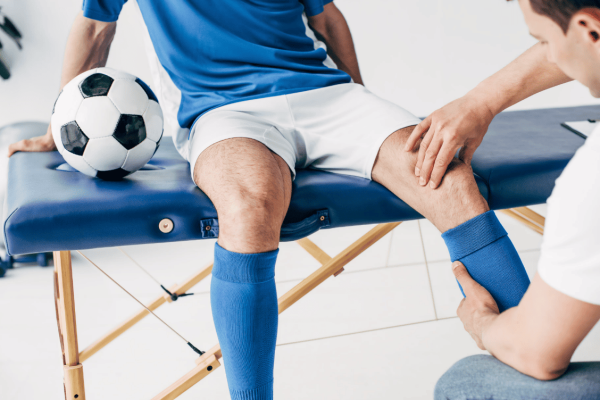
A chiropractor may be worth considering when you’re dealing with a musculoskeletal concern such as persistent back or neck discomfort, joint stiffness, restricted movement, or certain activity-related aches.
An evaluation can help determine whether chiropractic care is appropriate for your situation.
For example, an athlete may seek chiropractic care when:
- Movement feels restricted after training
- Back or neck discomfort affects activity
- Joint stiffness interferes with normal movement
- Musculoskeletal discomfort persists after activity
- A previous injury continues to affect movement
- They want guidance related to mobility and physical function
However, chiropractic care isn’t appropriate for every injury.
Suspected fractures, significant trauma, severe swelling, obvious deformities, loss of consciousness, or serious neurological symptoms require appropriate medical evaluation.
A responsible healthcare provider should recognize when another type of medical care is necessary.
Chiropractic Care vs. Physical Therapy for Sports Injuries
People sometimes wonder whether they should see a chiropractor or physical therapist after a sports injury.
The answer depends on the injury and the individual’s needs.
Chiropractic care may focus on musculoskeletal assessment, joint mobility, spinal and extremity care, and other conservative approaches.
Physical therapy commonly emphasizes rehabilitation through exercises and functional training designed to restore strength, movement, and function.
Sports medicine or orthopedic care may be appropriate when an injury requires specialized diagnosis, imaging, surgical evaluation, or other medical treatment.
These approaches don’t necessarily have to compete with each other. In some situations, different healthcare professionals may contribute to an athlete’s overall recovery.
The most important step is choosing the appropriate care based on the injury rather than assuming one provider is right for every situation.
What Can Help Support Sports Injury Recovery?
Once an injury has been evaluated, recovery often involves more than simply waiting for pain to disappear.
Depending on the injury and professional recommendations, recovery may include:
Gradually Returning to Activity
Avoid jumping immediately from complete rest back into intense training.
Your activity level should generally increase gradually as your symptoms, strength, mobility, and function improve.
Rest and Recovery
Rest is an important part of training, not a sign of weakness.
Adequate recovery between workouts gives your body time to adapt to physical demands.
Maintaining Appropriate Movement
Too little movement can sometimes contribute to stiffness and loss of function, while too much activity can aggravate an injury.
Follow the activity recommendations appropriate for your specific condition.
Improving Strength and Mobility
After an injury, restoring strength and movement can be an important part of returning to activity.
Depending on the injury, a healthcare professional may recommend exercises or rehabilitation.
Paying Attention to Your Symptoms
Don’t ignore persistent or worsening pain simply because you have an upcoming game or competition.
Recognizing a problem early can help you determine whether you need professional evaluation.
How Can Athletes Reduce Their Risk of Injury?
No strategy can prevent every sports injury, but athletes can take practical steps to reduce avoidable risks.
Warm Up Before Activity
Prepare your body before intense exercise or competition with an appropriate warm-up.
Increase Training Gradually
Suddenly increasing mileage, weight, intensity, or training frequency can place additional stress on the body.
Gradually increasing workload can help your body adapt.
Use Proper Technique
Learning appropriate movement and sport-specific technique can help you perform activities more efficiently.
Use Appropriate Equipment
Wear the protective equipment appropriate for your sport and make sure it fits correctly.
Give Your Body Time to Recover
Training every day without adequate recovery can contribute to fatigue and overuse problems.
Build rest and recovery into your training schedule.
Don't Ignore Persistent Pain
Normal muscle soreness and an injury are not necessarily the same thing.
If pain persists, worsens, or affects your ability to move normally, consider getting an appropriate evaluation.
These prevention strategies are consistent with general sports injury guidance, which emphasizes proper technique, gradual increases in activity, conditioning, appropriate equipment, and recovery.
When Is a Sports Injury an Emergency?
Some injuries require prompt medical attention rather than waiting to see whether they improve.
Seek appropriate medical care for symptoms such as:
- Severe or worsening pain
- Significant swelling
- Heavy bleeding
- An obvious deformity
- Inability to move or use the affected body part
- Loss of consciousness
- Serious head or neck injury
- Significant neurological symptoms
- Difficulty breathing
If you are uncertain about the seriousness of an injury, it is better to seek professional medical guidance rather than attempting to diagnose it yourself.
Sports Injury Recovery in Wentzville, MO
For athletes in Wentzville, MO, getting the right care after an injury can make a difference in how confidently you return to the activities you enjoy.
At True Grit Health Center, athlete-focused chiropractic care is designed around the individual needs of active patients. The practice’s existing athlete chiropractic program focuses on areas including mobility, musculoskeletal function, recovery, and sports-related concerns.
True Grit’s approach is individualized rather than assuming every athlete needs the same treatment.
If you’re dealing with a sports-related musculoskeletal concern, an evaluation can help determine whether chiropractic care is appropriate for you or whether another healthcare professional would be a better fit.
Learn more about Athlete Chiropractic Care in Wentzville, MO.
Get Back to the Activities You Enjoy
A sports injury doesn’t necessarily mean you have to give up the activities you enjoy.
The right recovery approach depends on the type and severity of the injury. Understanding your symptoms, getting appropriate professional guidance, allowing adequate recovery time, and returning to activity gradually can all play a role in a safe recovery.
If you’re looking for sports injury recovery support in Wentzville, MO, True Grit Health Center can help you understand whether chiropractic care may be appropriate for your individual needs.
Contact True Grit Health Center to schedule a consultation.
Frequently Asked Questions
Can a chiropractor help with sports injury recovery?
Chiropractic care may be appropriate for certain musculoskeletal concerns associated with sports and physical activity. An individual evaluation is important to determine whether chiropractic care fits the injury and the patient’s needs.
When should I see a chiropractor for a sports injury?
Consider discussing an injury with a chiropractor when you have musculoskeletal discomfort, restricted movement, joint stiffness, or other concerns that may be appropriate for conservative chiropractic care. Serious injuries should receive appropriate medical evaluation.
What are the most common sports injuries?
Common sports injuries include sprains, strains, tendon injuries, knee and shoulder injuries, back and neck pain, and overuse injuries. The type of injury depends on the activity and physical demands involved.
How long does a sports injury take to heal?
Recovery time varies based on the type and severity of the injury. Minor injuries may improve within days or weeks, while more serious injuries can require months of rehabilitation.
Should I see a chiropractor or physical therapist for a sports injury?
It depends on the injury and your individual needs. Chiropractic care and physical therapy have different areas of focus, and some athletes may benefit from coordinated care involving multiple healthcare professionals.
Can chiropractic care prevent sports injuries?
Chiropractic care may be incorporated into an athlete’s overall approach to musculoskeletal health, but no treatment can guarantee that an injury will be prevented. Training appropriately, using proper technique, recovering adequately, and listening to your body are also important.
Can I return to sports as soon as the pain goes away?
Not necessarily. Pain improvement is only one part of recovery. Strength, mobility, function, and the ability to perform sport-specific movements should also be considered before returning to full activity.
Where can I find sports injury chiropractic care in Wentzville, MO?
True Grit Health Center provides athlete-focused chiropractic care in Wentzville, MO. The practice can evaluate your individual needs and determine whether chiropractic care is appropriate for your situation.