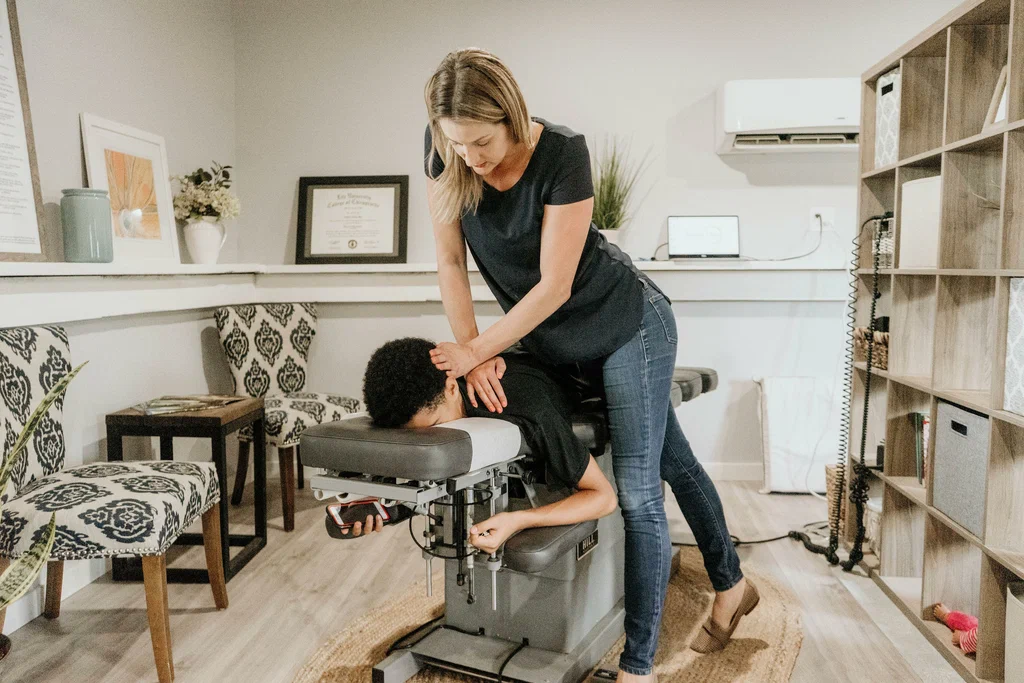
When most people think about chiropractic care, they think of back pain. While helping patients manage back pain is certainly one of the most common reasons people visit a chiropractor, it’s only part of the picture.
Chiropractic care focuses on improving how your spine, joints, muscles, and nervous system work together. When movement is restricted or joints aren’t functioning properly, it can affect everything from how comfortably you move to how well your body handles everyday physical stress.
One of the questions we hear most often at True Grit Health Center is:
“Can chiropractic care help my condition?”
The honest answer is that it depends on what’s causing your symptoms.
Chiropractic care is not designed to cure every health condition, nor should it replace medical treatment when it’s needed. However, for many musculoskeletal conditions—especially those involving the spine, joints, muscles, and movement—it can be an effective part of a personalized treatment plan.
In this guide, we’ll explain some of the most common conditions chiropractic care may help with, when chiropractic treatment may be appropriate, and when it’s important to seek medical care instead.
How Chiropractic Care Supports Recovery
Before looking at specific conditions, it’s helpful to understand why chiropractic care can benefit so many people.
Your body is designed to move.
Every day, your spine, joints, muscles, and nervous system work together to help you walk, bend, lift, sit, sleep, exercise, and perform thousands of other movements.
Over time, everyday life can place significant stress on these structures.
Common factors include:
- Sitting at a desk for long hours
- Poor posture
- Sports activities
- Heavy lifting
- Car accidents
- Repetitive work
- Aging
- Previous injuries
When joints lose normal movement or muscles become overly tight, your body often compensates in other areas. These compensation patterns may eventually contribute to discomfort, stiffness, reduced mobility, or recurring pain.
Chiropractic care focuses on identifying these movement restrictions and restoring healthier joint function through individualized treatment plans.
Rather than simply masking symptoms, chiropractic care aims to improve how your body moves so you can return to daily activities more comfortably.
1. Back Pain
Back pain is one of the leading reasons people seek chiropractic care.
Whether discomfort develops suddenly after lifting something heavy or gradually from years of sitting at a desk, back pain can interfere with nearly every aspect of daily life.
Many people experience:
- Lower back pain
- Mid-back stiffness
- Muscle tightness
- Difficulty bending
- Pain after prolonged sitting
- Pain while standing

Depending on the cause of your symptoms, chiropractic care may help improve spinal mobility, reduce muscle tension, and support healthier movement patterns.
Treatment often includes much more than spinal adjustments. Your chiropractor may also recommend stretching exercises, posture modifications, strengthening exercises, and ergonomic changes to help reduce recurring stress on your spine.
For many patients, chiropractic care becomes one part of a comprehensive plan that includes exercise, healthy lifestyle habits, and movement education.
2. Neck Pain
Neck pain has become increasingly common, especially as many people spend hours working at computers or looking down at phones and tablets.
Poor posture, repetitive movements, stress, and previous injuries can all contribute to neck discomfort.
Common symptoms include:
- Neck stiffness
- Pain when turning the head
- Muscle tightness
- Limited range of motion
- Pain that radiates into the shoulders
Chiropractic care may help improve mobility in the cervical spine while reducing tension in the surrounding muscles.
Many patients also benefit from learning proper workstation ergonomics and posture correction strategies that help prevent symptoms from returning.
3. Tension Headaches and Cervicogenic Headaches
Not every headache begins in the head.
Some headaches are closely related to muscle tension or restricted movement in the neck and upper spine.
These are commonly known as:
- Tension headaches
- Cervicogenic headaches
When appropriate, chiropractic care may help reduce mechanical stress affecting the neck while improving joint movement and reducing muscle tightness.
Treatment may include:
- Gentle chiropractic adjustments
- Soft tissue therapy
- Stretching
- Postural correction
- Lifestyle recommendations
It’s important to note that severe headaches, sudden neurological symptoms, or headaches accompanied by fever, vision changes, or confusion require immediate medical evaluation.
4. Sciatica
Sciatica refers to pain that travels along the sciatic nerve, often beginning in the lower back and extending through the buttock and down one leg.
Symptoms may include:
- Sharp leg pain
- Burning sensations
- Tingling
- Numbness
- Weakness
- Pain while sitting
Sciatica has many possible causes, including disc problems, muscle tension, joint dysfunction, and nerve irritation.

After performing a thorough examination, a chiropractor can determine whether chiropractic care may be appropriate as part of your treatment plan.
The goal is to improve movement, reduce mechanical stress, and help patients return to normal daily activities whenever possible.
5. Joint Pain and Stiffness
Healthy joints should move freely.
As we age—or after injuries, repetitive activities, or prolonged inactivity—joints may become stiff and lose mobility.
Many patients seek chiropractic care for discomfort involving:
- Shoulders
- Hips
- Knees
- Ankles
- Wrists
While chiropractors are well known for treating the spine, they also evaluate how other joints contribute to overall movement.
Improving joint mobility may help reduce stiffness, improve flexibility, and support more comfortable movement throughout everyday life.
6. Poor Posture
Poor posture is one of the most overlooked causes of chronic discomfort.
Hours spent sitting at desks, driving, or using mobile devices often contribute to:
- Forward head posture
- Rounded shoulders
- Tight chest muscles
- Upper back pain
- Neck strain
Rather than focusing only on pain, chiropractic care looks at why these postural problems develop.
Treatment often combines chiropractic adjustments with corrective exercises, stretching, movement education, and ergonomic recommendations to help patients build healthier habits over time.
Many people are surprised to discover that improving posture not only reduces discomfort but also makes everyday activities feel easier and more comfortable
7. Sports Injuries and Active Lifestyles
Whether you’re a competitive athlete, a weekend golfer, a runner, or someone who enjoys staying active, your body experiences repetitive stress. Over time, those movements can affect joint mobility, muscle balance, and overall performance.
Chiropractic care is commonly used as part of a comprehensive recovery and performance plan for people with sports-related injuries or movement restrictions.
Depending on the individual, chiropractic care may help support recovery from conditions such as:
- Muscle strains
- Ligament sprains
- Overuse injuries
- Shoulder discomfort
- Hip tightness
- Running-related aches
- Reduced flexibility

Rather than focusing only on the painful area, chiropractors evaluate how the entire body moves. In many cases, improving mobility in one region can reduce unnecessary stress elsewhere.
Combined with appropriate rehabilitation exercises and healthy recovery habits, chiropractic care may help active individuals return to the activities they enjoy more comfortably.
8. Pregnancy-Related Back and Pelvic Discomfort
Pregnancy places unique demands on the body.
As your baby grows, your center of gravity changes, posture shifts, and hormones naturally loosen ligaments to prepare for childbirth. These changes often place additional stress on the lower back, hips, and pelvis.
Many expectant mothers experience:
- Lower back pain
- Pelvic discomfort
- Hip pain
- Sciatica-like symptoms
- Muscle tightness
Prenatal chiropractic care uses gentle techniques specifically adapted for pregnancy. The goal is to improve comfort, encourage healthy movement, and help reduce musculoskeletal stress during each stage of pregnancy.
Every pregnancy is different. Your chiropractor will evaluate your health history and work within appropriate guidelines to determine whether chiropractic care is suitable for you.
9. Repetitive Strain from Work and Daily Activities
Not every injury happens suddenly.
Many people develop discomfort gradually because of the work they do every day.
Office workers, healthcare professionals, mechanics, warehouse employees, teachers, truck drivers, and construction workers often repeat the same movements for years.
Over time, repetitive strain may contribute to:
- Neck stiffness
- Shoulder pain
- Lower back discomfort
- Wrist pain
- Hip tightness
- Muscle fatigue
Chiropractic care may help restore normal movement while addressing muscle tension created by repetitive work.
Many patients also benefit from simple ergonomic improvements, stretching routines, and movement strategies that help reduce future strain.
10. Reduced Mobility and Everyday Stiffness
One of the biggest complaints people have isn’t necessarily pain—it’s feeling stiff.
Many patients say things like:
“I just don’t move the way I used to.”
Limited mobility can affect everything from tying your shoes to gardening, playing with your grandchildren, exercising, or simply getting out of bed in the morning.
Restricted movement often develops gradually and may be related to:
- Aging
- Previous injuries
- Arthritis
- Inactivity
- Poor posture
- Muscle tightness
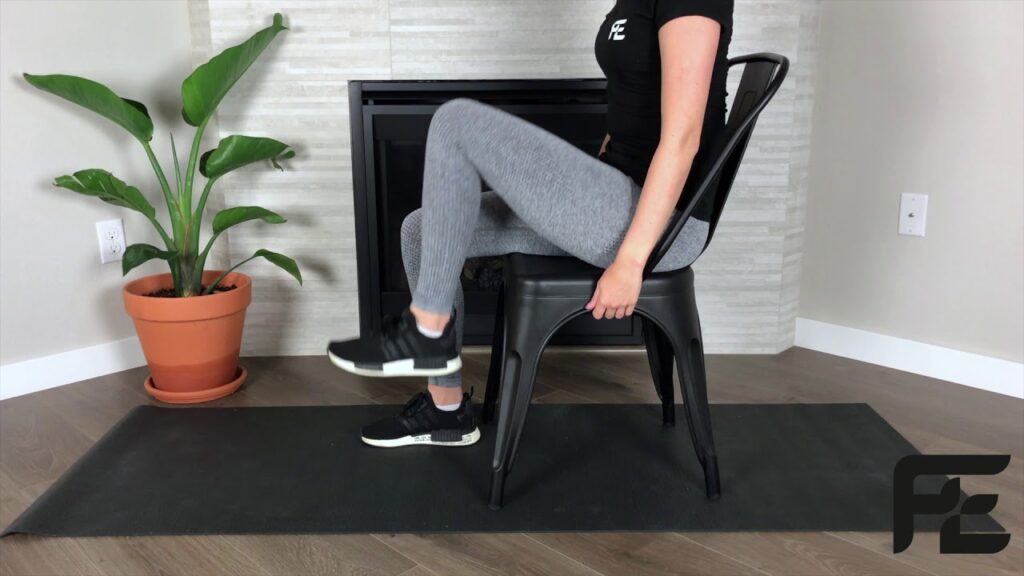
Improving joint mobility is one of the primary goals of chiropractic care.
Better movement often allows patients to participate more comfortably in daily activities while supporting long-term independence and overall wellness.
Arthritis is one of the most common causes of joint pain, especially as we get older.
While chiropractic care cannot cure arthritis or reverse joint degeneration, it may help some individuals better manage symptoms associated with certain forms of arthritis by improving joint mobility and reducing surrounding muscle tension.
Treatment plans may include:
- Gentle joint mobilization
- Soft tissue techniques
- Stretching
- Mobility exercises
- Lifestyle recommendations
Every patient is different, and treatment should always be based on an individual evaluation.
12. Muscle Tightness and Limited Flexibility
Tight muscles don’t always mean weak muscles.
Stress, poor posture, repetitive movement, previous injuries, and inactivity can all contribute to chronic muscle tension.
Many patients experience tightness in the:
- Neck
- Shoulders
- Upper back
- Lower back
- Hips
- Hamstrings
When muscles remain tight, nearby joints often compensate, creating movement patterns that place additional stress on the body.
By improving joint mobility and combining treatment with stretching and corrective exercises, chiropractic care may help improve flexibility and restore healthier movement patterns.
Can Chiropractic Care Help Every Condition?
This is one of the most important questions to answer honestly.
The short answer is no.
Chiropractic care is highly effective for many musculoskeletal conditions, but it is not a cure-all.
A responsible chiropractor should never claim that spinal adjustments can cure diseases or replace appropriate medical treatment.
Instead, chiropractic care is commonly used to help improve movement, reduce mechanical stress on joints, support recovery, and enhance overall musculoskeletal function.
Some patients require additional care from:
- Primary care physicians
- Orthopedic specialists
- Neurologists
- Physical therapists
- Pain management specialists
- Emergency medical providers
At True Grit Health Center, patient safety always comes first. If your condition requires another type of healthcare professional, we’ll help guide you toward the appropriate care.
When Should You Consider Seeing a Chiropractor?
You don’t have to wait until your pain becomes severe before scheduling an evaluation.
Many people benefit from chiropractic care when they notice symptoms such as:
- Persistent back pain
- Neck stiffness
- Frequent tension headaches
- Joint pain
- Limited flexibility
- Pain after sitting for long periods
- Sports-related discomfort
- Poor posture
- Difficulty moving normally
- Muscle tightness that keeps returning
An early evaluation may help identify movement problems before they become more significant.
When Should You Seek Medical Care Instead?
While chiropractic care may help many musculoskeletal conditions, certain symptoms require immediate medical evaluation.
You should seek emergency medical attention if you experience:
- Severe trauma after an accident
- Suspected fractures
- Sudden loss of bladder or bowel control
- Progressive weakness or numbness
- Chest pain
- Difficulty breathing
- Sudden severe headache unlike anything you’ve experienced before
- Fever accompanied by severe back pain
- Unexplained weight loss with persistent pain
- Signs of infection
These symptoms may indicate conditions that require immediate medical treatment rather than chiropractic care.
Knowing when to seek the appropriate type of care is an important part of protecting your health.
Frequently Asked Questions
Can a chiropractor diagnose my condition?
Chiropractors are trained to evaluate musculoskeletal conditions through a detailed health history, physical examination, posture assessment, orthopedic testing, neurological screening, and movement analysis. In some cases, additional imaging or referrals may be recommended to better understand the cause of your symptoms.
The goal is to identify whether chiropractic care is appropriate or whether another healthcare provider should be involved in your care.
How do I know if chiropractic care is right for me?
If you’re experiencing pain, stiffness, limited mobility, or discomfort that affects your daily activities, a chiropractic evaluation may help determine the cause.
During your first visit, your chiropractor will discuss your symptoms, medical history, lifestyle, and goals before recommending a personalized treatment plan. If chiropractic care isn’t the right option, you should be advised on the next appropriate step.
Will I need ongoing chiropractic care?
Not necessarily.
The number of visits depends on several factors, including your condition, how long you’ve had symptoms, your activity level, and your treatment goals.
Some people seek care for short-term pain relief after an injury, while others choose periodic visits to help maintain mobility and support an active lifestyle. Your care plan should always be based on your individual needs rather than a fixed schedule.
Can chiropractic care be combined with other treatments?
Yes. Chiropractic care is often part of a broader healthcare plan.
Depending on your condition, it may be combined with:
- Physical therapy
- Exercise programs
- Massage therapy
- Orthopedic care
- Pain management
- Guidance from your primary care physician
Working with multiple healthcare professionals can provide a well-rounded approach to recovery when appropriate.
How soon will I notice results?
Every patient responds differently.
Some people notice changes after only a few visits, while others require more time depending on the severity of their condition, overall health, and how long the problem has been present.
Your chiropractor will monitor your progress and adjust your treatment plan as needed.
What should I expect during my first visit?
Your first appointment typically includes a conversation about your symptoms, medical history, and health goals, followed by a physical examination.
Depending on your findings, your chiropractor may recommend treatment, additional testing, or a referral if another type of care is more appropriate. You should also have the opportunity to ask questions and understand the reasoning behind any recommended treatment.
Choosing the Right Chiropractor
Not all chiropractic practices offer the same approach to care.
When choosing a chiropractor, look for a practice that takes the time to understand your concerns instead of focusing only on symptoms. A thorough evaluation, clear communication, and a personalized treatment plan are all signs of patient-centered care.
It’s also important to choose a provider who explains your diagnosis, discusses realistic expectations, and is willing to refer you to another healthcare professional when necessary. This collaborative approach helps ensure you receive the care that’s most appropriate for your condition.
Why Patients Choose True Grit Health Center
At True Grit Health Center, our approach begins with understanding the person—not just the condition.
We know that two people with similar symptoms may have different underlying causes and different health goals. That’s why every treatment plan starts with a thorough evaluation and is tailored to the individual’s needs.
Whether you’re dealing with a recent injury, chronic discomfort, reduced mobility, or recurring pain that’s affecting your daily life, our team focuses on helping you move better, feel better, and make informed decisions about your care.
Our goal isn’t simply to address today’s symptoms. We want to help patients build healthier movement patterns that support long-term function and an active lifestyle.
We’re proud to care for individuals and families throughout Wentzville and the surrounding communities with compassionate, personalized chiropractic services.
Final Thoughts
There isn’t a single answer to the question, “What conditions can chiropractic care help with?” Every person is different, and the right treatment depends on the cause of the problem—not just the symptoms.
For many musculoskeletal conditions, chiropractic care may help improve joint mobility, reduce physical discomfort, restore movement, and support recovery as part of a personalized treatment plan. However, knowing when chiropractic care is appropriate—and when another healthcare provider should be involved—is equally important.
If you’ve been dealing with persistent pain, stiffness, or movement limitations, a professional evaluation can help you better understand what’s contributing to your symptoms and what treatment options may be available.
At True Grit Health Center, we’re committed to providing honest recommendations, individualized care, and a patient-first approach that helps you make confident decisions about your health.
If you’re ready to learn whether chiropractic care may be right for your condition, contact True Grit Health Center to schedule a consultation. We’ll take the time to understand your concerns, answer your questions, and create a treatment plan that’s tailored to your needs.