How to choose a mattress for back pain is one of the questions we hear most at True Grit Health Center. Patients tell us their spine feels good after an adjustment, then they wake up stiff or sore the next morning. So they ask: “What kind of mattress or pillow should I be sleeping on?”
We’re chiropractors, not mattress experts, so we invited someone who is. Nate Edmonds, who recently opened Mattress By Appointment Warrenton, joined Dr. Toenjes at our office to talk about mattress options and what to consider based on how you sleep. This post pulls together what we shared on the video, along with what we look at when someone’s back pain seems tied to sleep.
Quick answer: How to choose a mattress for back pain comes down to a few things: pick a firmness that supports your spine without being rock hard, match the mattress to how you sleep (back, side or stomach), choose a pillow that keeps your neck in line, and try it with a sleep trial if you can. Many people find a medium-firm mattress a good starting point, but comfort is personal, and a mattress alone won’t treat a back condition.
Can Your Mattress Cause or Worsen Back Pain?
It can contribute. You spend roughly a third of your life in bed, so a bed that sags or doesn’t support you well can leave your muscles and joints strained for hours at a time. A mattress isn’t the only possible cause, though. Your sleeping position, your pillow, your daily activity, and any underlying condition all matter.
Here’s a pattern we pay attention to. If your spine feels good during the day, especially during care, but you wake up sore or stiff, it’s worth looking at your sleep setup. If you’re a patient and that sounds like you, mention it at your next visit. You may also find our post on morning back stiffness useful.
How to Choose a Mattress for Back Pain: 6 Things to Look For
1. Firmness: start in the middle
Many people assume a firm mattress is best for a sore back. The research is more modest than that. Harvard Health discusses how mattress choice relates to low back pain, and some studies suggest a medium-firm mattress may serve people with chronic low back pain better than a very firm one. The evidence is limited, so treat “medium-firm” as a starting point, not a rule. A mattress that’s too soft can let you sink so far that your joints twist, and one that’s too hard can create pressure points. You’re looking for support and comfort together.
2. Your sleeping position
Your position changes what your body needs from the mattress:
- Back sleepers usually do well with balanced support that follows the natural curve of the lower back without letting it sink.
- Side sleepers often need a little more give around the shoulders and hips, so the spine can stay level.
- Stomach sleepers need enough support that the hips and midsection don’t sink, which can arch the lower back. Stomach sleeping is hard on the neck and low back for many people, so if you have pain, it’s worth working on a different position. See how your sleeping position affects your spine.
3. The type of mattress
Nate talked about hybrids, and they’re a popular option. A hybrid combines wrapped coils with memory foam and standard foam. The idea is that the coils stay in place instead of shifting around, while the foam contours to your body. Other common types are:
- Memory foam, which contours closely and absorbs motion, though some people find it sleeps warm
- Latex, which is springy and often more breathable
- Innerspring, which can feel firmer and bouncier, with less contouring
None of these is “the best” for everyone. Choose the one that feels supportive and comfortable to you.
4. Your body size and build
Heavier people usually sink further into a mattress, so they may need a firmer or more supportive build. Lighter people may find the same mattress too hard. If you’re shopping for two people, test the bed together.
5. Its age and condition
Mattresses wear out. Look for sagging, body impressions, lumps, or the fact that you sleep better in other beds, such as a hotel or a friend’s house. Many mattresses are replaced after somewhere around seven to ten years, but how fast one wears out depends on the quality and how it’s used.
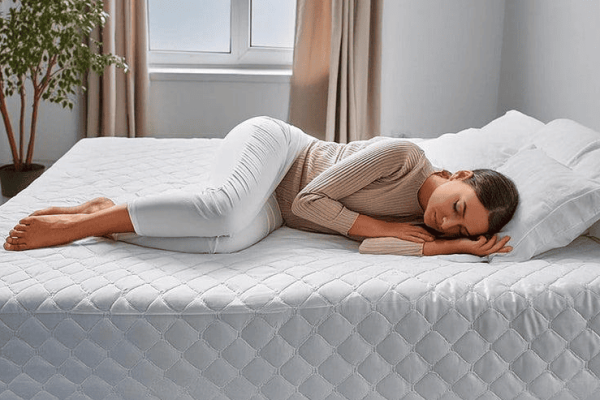
6. A chance to try it
You can’t judge a mattress in two minutes. Ask about sleep trials, return policies and warranties. One benefit of shopping by appointment, as Nate does, is that you can talk through how you sleep and try options with some guidance, rather than choosing alone on a showroom floor.
Don't Forget the Pillow
Your pillow affects your neck, and your neck affects the rest of your spine. A good rule is to keep your head in line with your spine:
- Back sleepers: a medium-height pillow that supports the natural curve of your neck
- Side sleepers: a thicker pillow that fills the gap between your ear and your shoulder
- Stomach sleepers: a very thin pillow or none, to avoid cranking your neck back
If you wake up with neck pain or headaches, your pillow may be part of the picture. Learn more about chiropractic care for neck pain and how tech neck can add to it.
Local Help With Mattresses: Mattress By Appointment Warrenton
Nate Edmonds opened Mattress By Appointment Warrenton recently, and he helps people find a bed that suits the way they sleep. On the video, he said the shop carries name brands, including Sealy and Tempur-Pedic, and that he can often offer lower prices than typical retail. Ask him for current pricing and what’s in stock.
You can reach him through the Mattress By Appointment Warrenton Facebook page or by phone at 636-202-1366.
Quick Checklist: How to Choose a Mattress for Back Pain
- I know my main sleeping position.
- I’ve noted when my pain is worst (in bed, on waking, or later in the day).
- I’ve tried a medium-firm option and one other firmness.
- The mattress supports my hips and lower back without sinking.
- My pillow keeps my head in line with my spine.
- I know the sleep trial, return, and warranty terms.
- My partner has tested it too, if we share the bed.
When It's Not the Mattress
A new bed won’t fix every kind of back pain. If your pain doesn’t improve, or you notice any of the following, get checked:
- Pain that wakes you at night or keeps getting worse
- Pain that travels down your leg, or numbness or tingling
- Weakness in your legs
- Pain after a fall or accident
- Seek urgent medical care for fever with back pain, loss of bladder or bowel control, or sudden severe pain.
For ongoing pain, an exam can find out what’s behind it. Read do I need a chiropractor for lower back pain? to learn more.
Frequently Asked Questions
What mattress firmness is best for back pain?
Many people find a medium-firm mattress a good starting point, but the best firmness depends on your sleeping position, body size and comfort. Research is limited, so use your own comfort and support as the guide.
Is a firm mattress better for back pain?
Not necessarily. A very firm mattress can create pressure points, and some studies suggest that medium-firm may do better than firm for chronic low back pain. A mattress that’s too soft can be a problem too.
What's the best mattress for side sleepers with back pain?
Side sleepers often need a little more cushioning at the shoulders and hips, so the spine stays level. Medium to medium-firm models with a contouring top layer are a common choice. Test it lying on your side.
How often should I replace my mattress?
Many are replaced after around seven to ten years, but sooner if it’s sagging, lumpy or you wake up sore. Quality and use make a big difference.
Can a chiropractor recommend a mattress?
We can’t pick a brand for you, but we can look at how you move and sleep, and tell you what to look for. If you’re not sure whether your mattress or something else is behind your pain, we can help you work that out.
Should I sleep on my stomach if I have back pain?
For many people with back or neck pain, stomach sleeping puts extra strain on the neck and low back. If you can, try side or back sleeping with a supportive pillow, and talk to us if you need help adjusting.
Wake Up Feeling Better
Choosing a mattress is a personal decision, and the right one makes a real difference to how you feel in the morning. If you’re still unsure how to choose a mattress for back pain, or your back hurts even after a good night’s sleep, book a visit at True Grit Health Center or call (636) 856-5683. We’ll look at what’s behind your pain, and help you decide what to change.