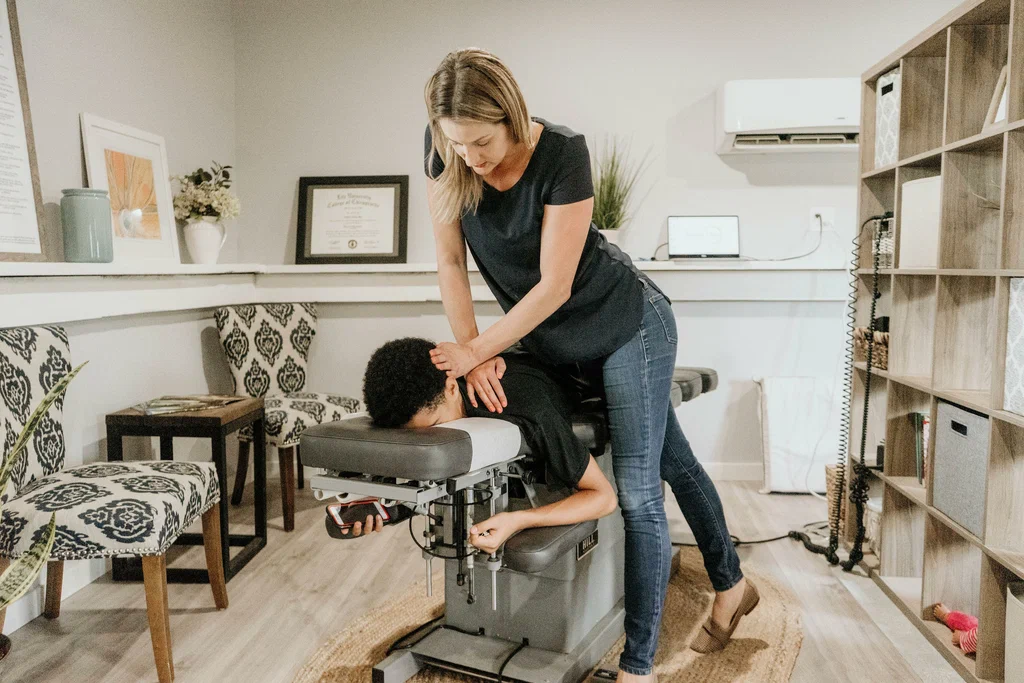
Headaches and migraines affect millions of people each year, often interfering with work, family life, and everyday activities. While medications can provide temporary relief, many individuals look for non-invasive ways to reduce both the frequency and intensity of their symptoms.
Can Chiropractic Care Help Headaches and Migraines? The answer depends on the underlying cause of your symptoms. Certain headaches—particularly those related to muscle tension, poor posture, or neck dysfunction—may improve with chiropractic care as part of a personalized treatment plan.
At True Grit Health Center in Wentzville, MO, we evaluate each patient individually to determine whether chiropractic care may be appropriate. Rather than simply addressing symptoms, our goal is to identify contributing factors that may be placing unnecessary stress on the spine, muscles, and nervous system.
Understanding the Difference Between Headaches and Migraines
Although many people use the terms interchangeably, headaches and migraines are different conditions.
Tension Headaches
Tension headaches are the most common type of headache. They often develop gradually and may feel like constant pressure or tightness around the forehead or back of the head.
Common triggers include:
- Muscle tension
- Stress
- Poor posture
- Long hours at a computer
- Neck stiffness
- Eye strain
Many tension headaches originate from tight muscles surrounding the neck and upper back, making spinal and muscular health an important consideration.

Cervicogenic Headaches
A cervicogenic headache begins in the cervical spine (neck) but causes pain that is felt in the head.
Symptoms often include:
- Pain starting at the base of the skull
- Reduced neck mobility
- Pain on one side of the head
- Headaches triggered by neck movement
- Shoulder or upper back discomfort
Because these headaches originate in the neck, chiropractic care may be considered as part of a conservative treatment approach.
Migraines
Migraines are more complex neurological conditions that often involve more than head pain.
Symptoms may include:
- Moderate to severe headache
- Throbbing pain
- Sensitivity to light
- Sensitivity to sound
- Nausea
- Vomiting
- Visual disturbances (aura)
Migraine triggers vary from person to person and may include stress, hormonal changes, certain foods, dehydration, poor sleep, or environmental factors.
What Causes Headaches?
Headaches rarely have a single cause. Instead, they often result from multiple contributing factors working together.
Common causes include:
- Poor posture
- Neck injuries
- Muscle tightness
- Stress
- Sleep problems
- Dehydration
- Jaw tension
- Prolonged computer use
- Previous auto accidents
- Limited spinal mobility
Identifying these contributing factors is one of the first steps in developing an effective treatment plan.
Can Chiropractic Care Help Headaches and Migraines?
Many people ask, Can Chiropractic Care Help Headaches and Migraines?
For some individuals, particularly those experiencing tension headaches or headaches related to neck dysfunction, chiropractic care may help improve spinal motion, reduce muscle tension, and support overall function.
During an evaluation, a chiropractor considers several factors, including:
- Medical history
- Current symptoms
- Lifestyle habits
- Posture
- Range of motion
- Previous injuries
- Neurological findings
Rather than treating every headache the same way, chiropractic care focuses on understanding the underlying mechanical factors that may contribute to discomfort.
It is important to remember that migraines have many possible causes. Chiropractic care is not intended to cure migraines, but some patients report symptom improvement when chiropractic treatment is incorporated into a broader healthcare plan.
How Chiropractic Care May Help
When appropriate, chiropractic care aims to improve the function of the musculoskeletal system through conservative, non-invasive techniques.
Potential benefits may include:
Improved Neck Mobility
Restricted movement in the cervical spine may contribute to tension and discomfort.
Gentle chiropractic adjustments may help restore normal joint motion, allowing the neck to move more naturally.
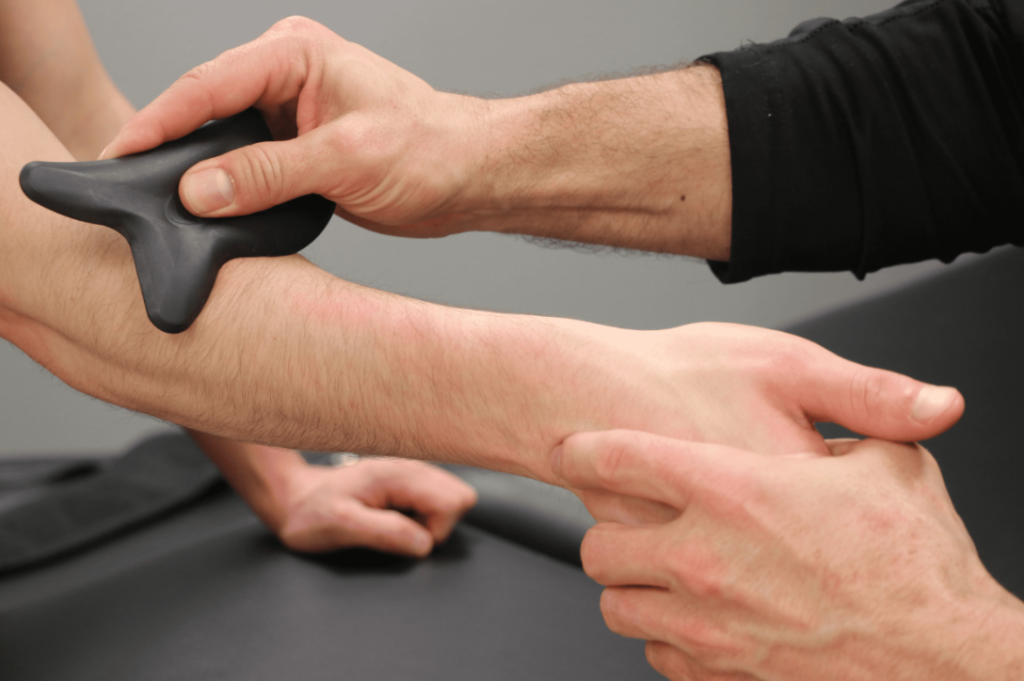
Reduced Muscle Tension
Tight muscles around the shoulders, neck, and upper back frequently contribute to headaches.
Treatment may include:
- Soft tissue therapy
- Stretching recommendations
- Trigger point therapy
- Home exercises
- Postural correction
Reducing muscle tension may decrease stress placed on surrounding joints and nerves.
Better Posture
Modern lifestyles often involve extended periods of sitting.
Looking down at phones or working on computers for several hours each day can place increased strain on the neck.
Poor posture may contribute to:
- Forward head posture
- Rounded shoulders
- Muscle fatigue
- Neck stiffness
- Recurring headaches
Your chiropractor may recommend posture corrections and ergonomic changes that help reduce daily stress on the spine.
Improved Joint Function
Healthy joints move efficiently.
Restricted spinal joints may affect surrounding muscles and tissues.
By improving spinal mobility, chiropractic care may help restore more natural movement patterns throughout the neck and upper back.
What Happens During Your First Visit?
If you’re experiencing recurring headaches, your first appointment typically begins with a comprehensive evaluation.
This may include:
- Review of your health history
- Discussion of headache frequency
- Description of symptoms
- Physical examination
- Posture assessment
- Range-of-motion testing
- Neurological screening
- Orthopedic testing when appropriate
If chiropractic care is appropriate for your condition, your provider will discuss a personalized treatment plan based on your needs and goals.
If your symptoms suggest another underlying medical condition, you may be referred to the appropriate healthcare provider for additional evaluation.
Lifestyle Changes That May Reduce Headaches
Successful headache management often involves more than chiropractic adjustments alone.
Many patients benefit from healthy lifestyle habits such as:
Staying Hydrated
Improving Sleep
Poor sleep quality often contributes to recurring headaches.
Maintaining a consistent sleep schedule may help reduce symptoms.
Managing Stress
Stress can increase muscle tension throughout the neck and shoulders. Relaxation techniques may include:
- Walking
- Deep breathing
- Yoga
- Stretching
- Meditation
Maintaining Good Posture
Simple posture improvements throughout the day may reduce unnecessary stress on the cervical spine.
Small adjustments at your workstation can make a significant difference over time.
What Does Research Say About Chiropractic Care for Headaches and Migraines?
Research continues to explore the role of chiropractic care may play in managing certain types of headaches. Current evidence suggests that spinal manipulation and other conservative chiropractic treatments may help some individuals, particularly those with tension-type headaches and cervicogenic headaches originating from the neck.
Several studies have reported improvements in headache frequency, pain intensity, and neck function for some patients receiving chiropractic care. However, results vary depending on the type of headache, the patient’s overall health, and the underlying cause of the symptoms.
For individuals with migraines, chiropractic care is generally considered a complementary treatment rather than a replacement for medical care. Some patients report fewer migraine episodes or reduced symptom severity when chiropractic treatment is combined with healthy lifestyle habits and guidance from their healthcare providers.
According to the National Center for Complementary and Integrative Health (NCCIH), spinal manipulation may help certain types of neck pain and headaches, though additional research is needed to better understand its effectiveness for migraines. Likewise, the American Chiropractic Association (ACA) recognizes chiropractic care as a conservative approach that may benefit patients experiencing musculoskeletal conditions contributing to headaches.
Because every patient is different, treatment recommendations should always be based on a comprehensive examination and individualized care plan.
When Should You See a Chiropractor for Headaches?
Occasional headaches can often be managed with rest and hydration. However, if headaches become frequent or interfere with your daily life, it may be time to seek professional evaluation.
You may benefit from a chiropractic assessment if you experience:
- Frequent tension headaches
- Neck pain accompanying headaches
- Headaches after an auto accident
- Pain that begins at the base of the skull
- Reduced neck mobility
- Poor posture from desk work
- Recurring headaches despite lifestyle changes
Early evaluation may help identify mechanical issues contributing to your symptoms before they become chronic.
When Should You Seek Immediate Medical Care?
Although many headaches are not life-threatening, some symptoms require urgent medical attention.
Seek emergency medical care immediately if you experience:
- A sudden, severe headache unlike anything you’ve experienced before
- Headache following a serious head injury
- Confusion or difficulty speaking
- Weakness or numbness
- Loss of vision
- Difficulty walking
- High fever with neck stiffness
- Seizures
- Loss of consciousness

These symptoms may indicate a serious medical condition that requires immediate evaluation by a physician or emergency department.
Why Choose True Grit Health Center?
At True Grit Health Center, we believe every patient deserves personalized care that addresses the underlying cause of their discomfort—not just the symptoms.
Our team takes time to understand your health history, lifestyle, posture, and movement patterns before recommending treatment. If chiropractic care is appropriate, your care plan is designed around your specific needs and goals.
Our approach includes:
- Comprehensive chiropractic evaluations
- Personalized treatment plans
- Gentle chiropractic adjustments
- Postural assessments
- Lifestyle and ergonomic recommendations
- Patient education
- Ongoing progress monitoring
Whether your headaches are related to muscle tension, poor posture, or spinal dysfunction, our goal is to help improve your comfort, mobility, and overall quality of life through conservative, evidence-informed care.
Frequently Asked Questions
Can chiropractic care help headaches and migraines naturally?
Chiropractic care may help some people experiencing tension headaches or cervicogenic headaches by improving spinal function and reducing muscle tension. Migraine treatment varies depending on the individual and should always be discussed with a healthcare provider.
Can neck problems cause headaches?
Yes. Restricted movement, muscle tension, or joint dysfunction in the cervical spine can contribute to cervicogenic headaches and some tension headaches.
Is chiropractic treatment safe for headaches?
When performed by a licensed chiropractor following an appropriate evaluation, chiropractic care is generally considered safe for many patients. Your provider will determine whether treatment is appropriate for your condition.
How many chiropractic visits are needed for headaches?
Treatment recommendations vary depending on the type of headache, severity of symptoms, overall health, and individual response to care. Your chiropractor will develop a personalized treatment plan after your evaluation.
Can chiropractic care prevent migraines?
There is no guarantee that chiropractic care will prevent migraines. However, some individuals report improvements in migraine frequency or severity when chiropractic care is included as part of a comprehensive healthcare plan.
Should I see a chiropractor or a medical doctor for migraines?
Migraines should be properly evaluated by a healthcare professional. Chiropractic care may be part of your overall management plan when appropriate, but severe or unusual symptoms should always be assessed by a medical provider.
Conclusion
So, Can Chiropractic Care Help Headaches and Migraines? For many individuals, especially those with tension headaches or headaches related to neck dysfunction, chiropractic care may offer a conservative, non-invasive option to help reduce discomfort and improve spinal function.
Because headaches can have many different causes, proper evaluation is essential. A personalized treatment plan based on your symptoms, medical history, and physical examination helps ensure you receive the most appropriate care.
At True Grit Health Center, we are committed to helping patients in Wentzville and the surrounding communities understand the source of their pain and explore safe, evidence-informed treatment options. Whether you’re experiencing recurring headaches, neck discomfort, or posture-related pain, our team is here to support your journey toward better health.
References
For additional evidence-based information about chiropractic care and headaches, visit the National Center for Complementary and Integrative Health (NCCIH) and the American Chiropractic Association (ACA).